|  Registered charity no.1031879
| |
|
Bread Making Competition
| ||||||||||||||||||||||||||||||||||||
|
After the huge success of the first Cranbrook Flour Show in 2010 we shall be repeating the event on Sunday 15th May 2011. This is a Fun Competition for all Home Breadmakers to show what Real Bread is all about. It doesn’t matter whether you bake using a Bread Machine or by hand there is an entry class to suit all, including a specific Class for Children of 12 years and under. The classes are as follows:
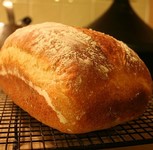
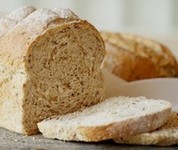
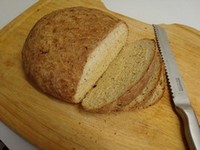
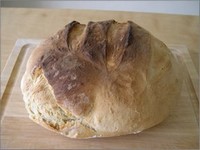
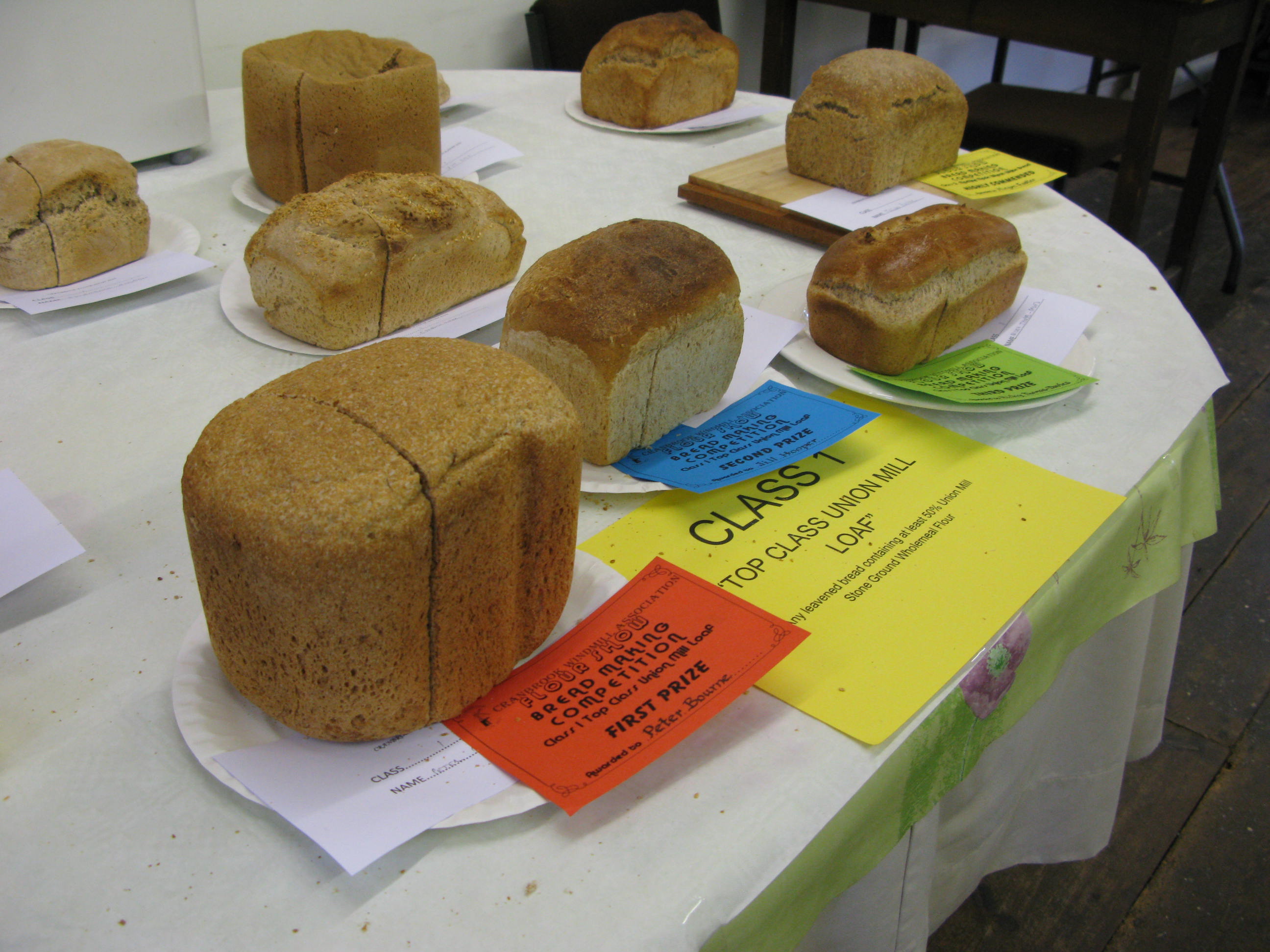
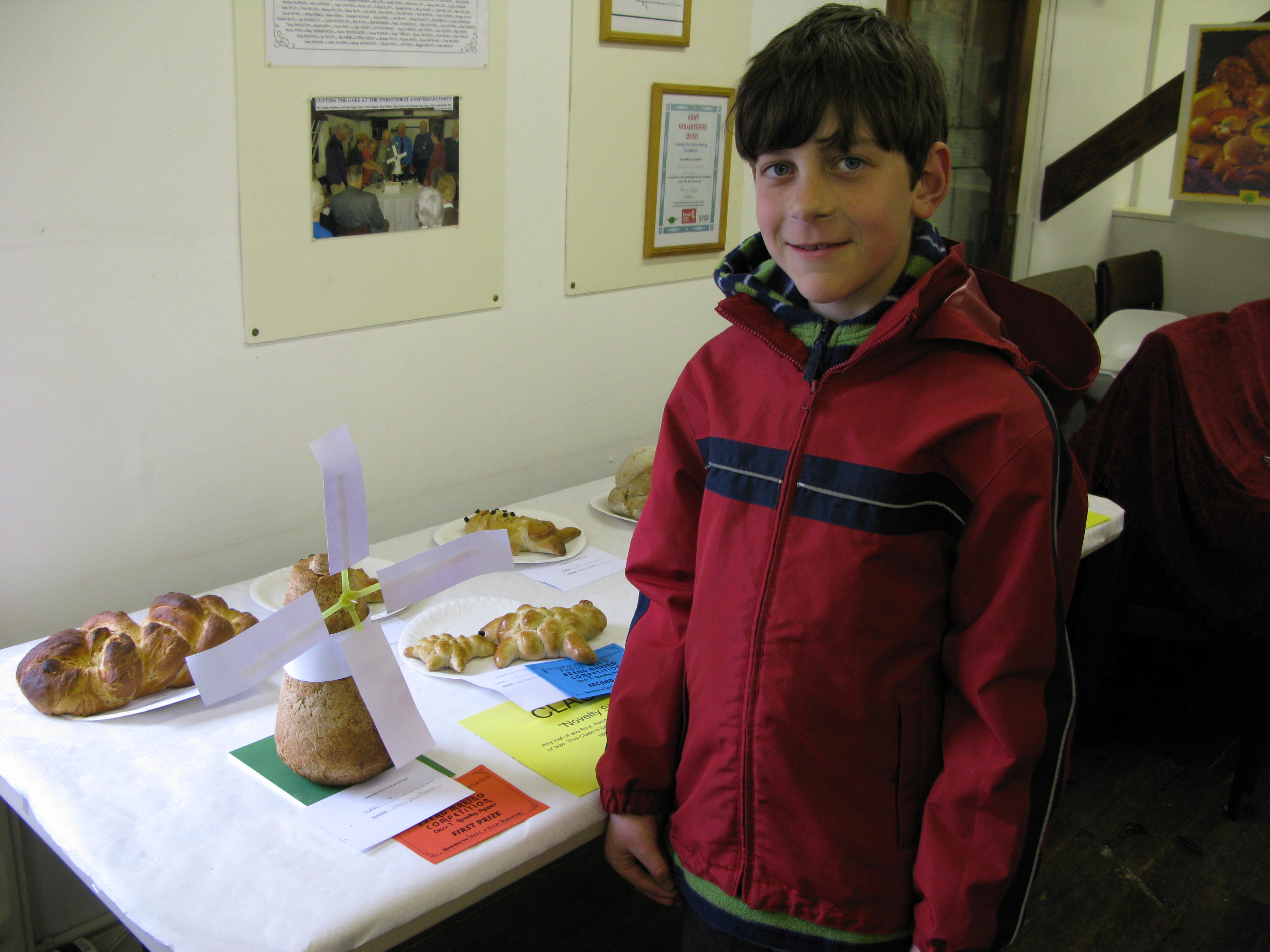
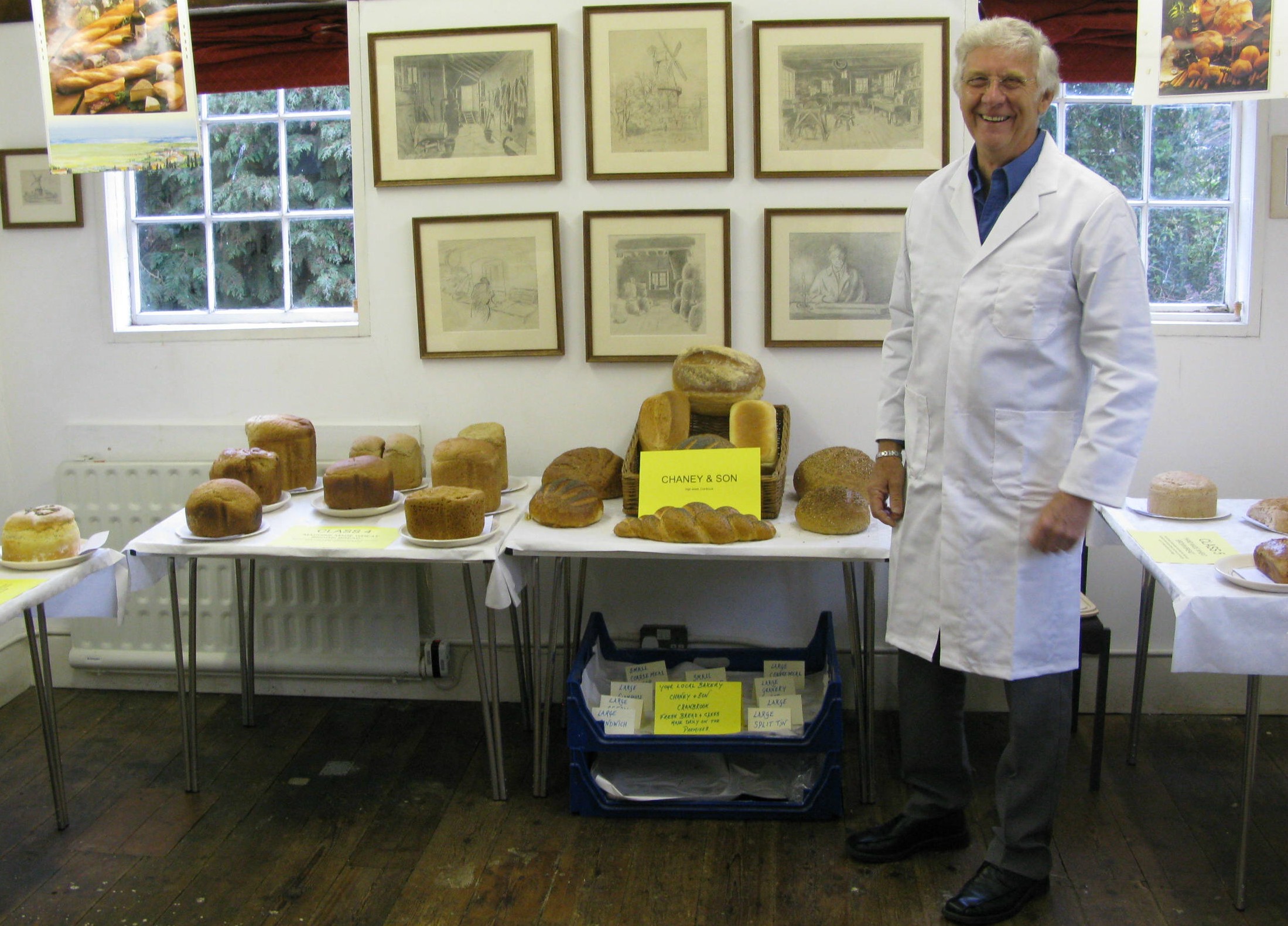
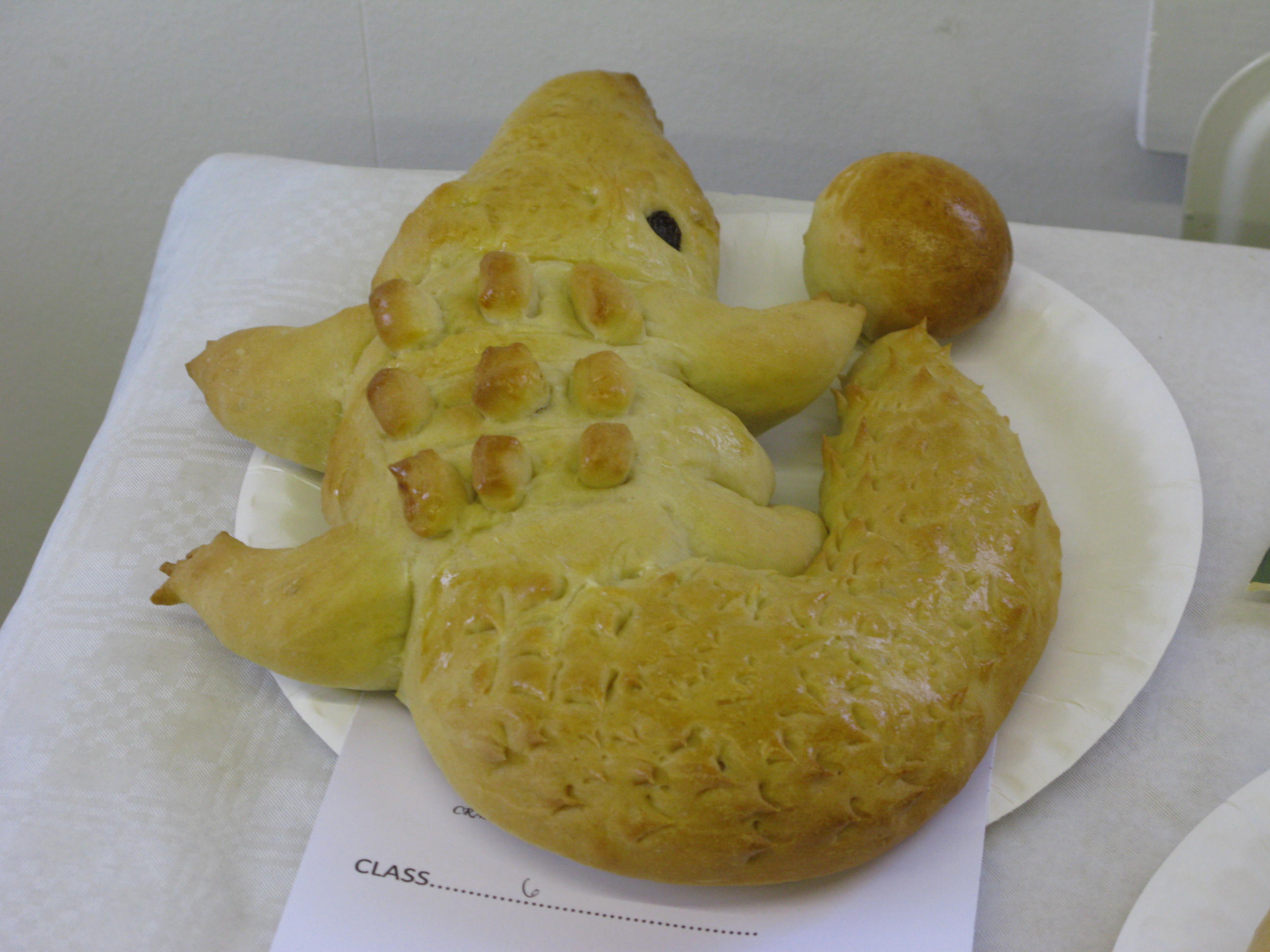
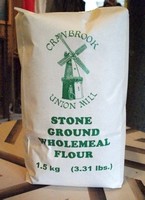
We will be giving a 1.5 kilo bag of "Carrs Flour" to the first 80 entrants to the competition. The Cranbrook Flour Show is being organized by us in conjunction with National Mills Weekend and their joint promotion with the Real Bread Campaign to encourage us all to eat Real Bread. What's Real Bread? What Real Bread isn't Here are just some of the other things that you might find in industrial bread: E481 (sodium stearyl-2-lactylate), E472e (mono- and diacetyl-tartaric acid esters of mono- and diglycerides of fatty acids), E920 (l-cysteine), E282 (calcium propionate), E220 (potassium sorbate), E300 (ascorbic acid), E260 (acetic acid) soya flour, vegetable fat and dextrose. What’s more, industrial bread could also include substances such as phospholipase, fungal alpha amylase, transglutaminase, xylanase, maltogenic amylase, hemicellulase, oxidase, peptidase and protease - all legally, but the manufacturer wouldn’t have to declare them on the label. 2010 RESULTS Forty people participated in 2010 and a total of sixty different loaves of bread of all shapes and sizes were entered. Here are some pictures of the bread produced and the results of the competition: | ||||||||||||||||||||||||||||||||||||
| ||||||||||||||||||||||||||||||||||||
| ||||||||||||||||||||||||||||||||||||
| ||||||||||||||||||||||||||||||||||||